
How Argentine families adjust their budgets in times of inflation

We explore the real strategies that families in different regions of Argentina use to manage their finances in a challenging economic context. Verifiable data, regional comparisons, and practical advice based on concrete experiences.

Argentine family planning budget

Current Economic Overview

68%
Average annual inflation

Significant variation between regions based on logistics costs

42%
Shop at local markets

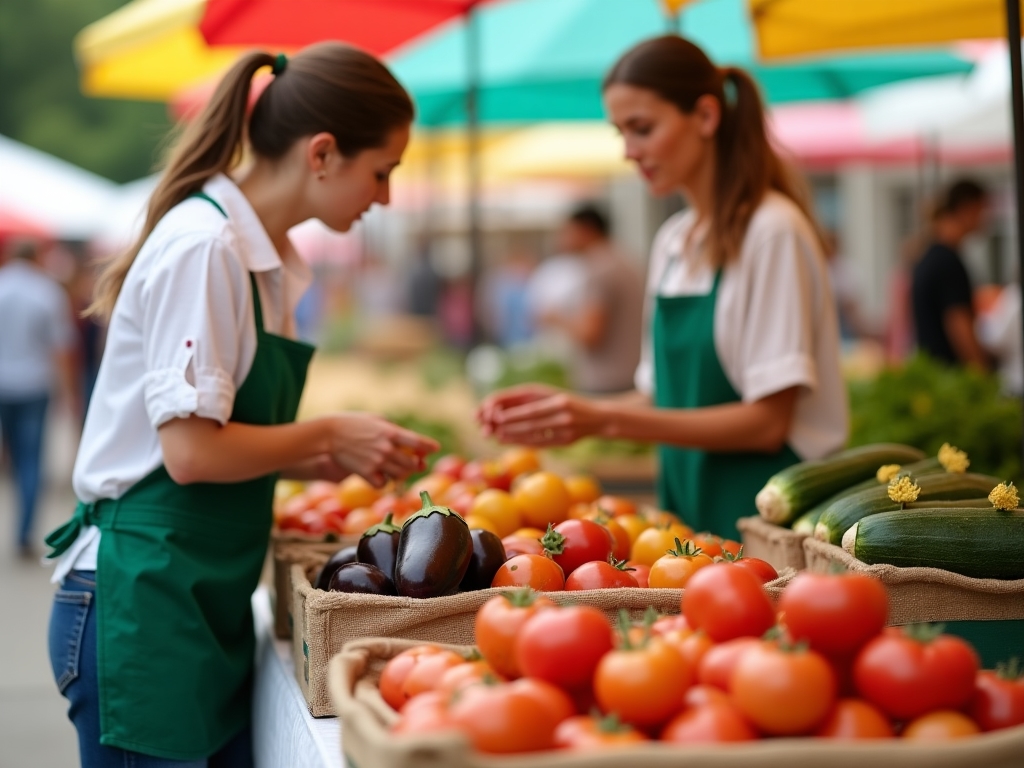
Families prioritize farmers markets and direct producers

35%
Save in foreign currency

Common strategy to preserve savings value

58%
Adjust habits weekly

Constant flexibility in consumption patterns

Regional Analysis of Prices and Strategies

Each region of Argentina presents economic particularities that directly influence how families manage their budget. Meanwhile, differences in logistics costs and access to fresh products determine specific savings strategies.

Patagonia Region

Patagonia

Beef (kg) $4,200
Bread (kg) $950
Fresh vegetables (kg) $680
Milk (liter) $520

Local strategies:

  • Early purchase of non-perishable products taking advantage of wholesale offers
  • Home production of bread and preserves to reduce dependence on high prices
  • Product exchange between neighbors to diversify food without additional cost
  • Leveraging fishing season for alternative protein sources
Cuyo Region

Cuyo

Beef (kg) $3,600
Bread (kg) $780
Seasonal fruits (kg) $450
Wine (750ml) $1,200

Local strategies:

  • Direct purchase from wine and fruit producers for better prices
  • Making homemade preserves and jams during high fruit season
  • Family garden cultivation taking advantage of favorable climate
  • Participation in consumer cooperatives for access to wholesale prices
Buenos Aires Province

Buenos Aires Province

Beef (kg) $3,400
Bread (kg) $720
Vegetables (kg) $380
Assorted dairy $450

Local strategies:

  • Shopping at wholesale central markets on low-traffic days
  • Intensive use of apps to compare prices between supermarkets
  • Strict weekly planning based on published offers
  • Group purchasing among neighbors to access volume discounts
Mesopotamia Region

Mesopotamia

Beef (kg) $3,500
Bread (kg) $740
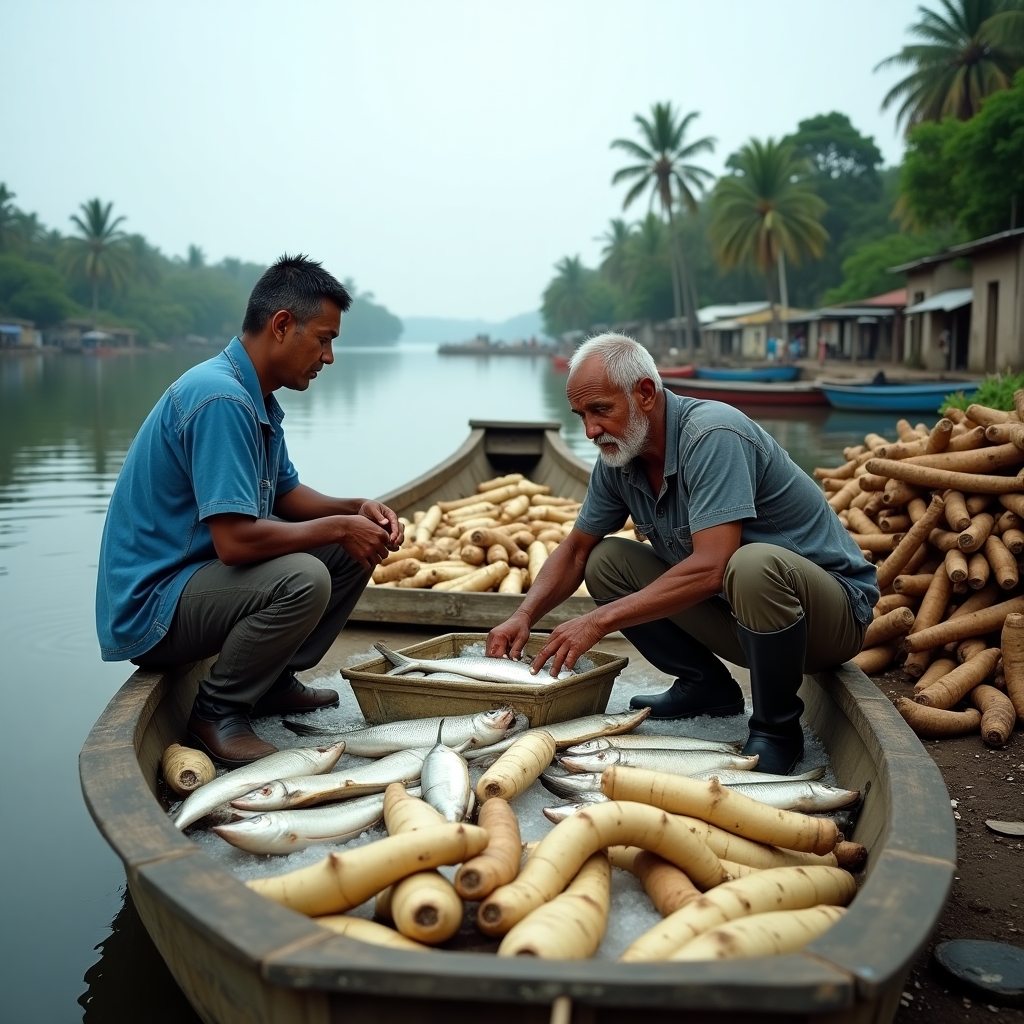
River fish (kg) $2,100
Cassava (kg) $320

Local strategies:

  • Incorporating lower-cost regional products like cassava and sweet potato
  • Recreational fishing as complementary protein source
  • Product exchange between neighboring provinces Brazil-Paraguay
  • Preparation of traditional meals that optimize economical ingredients

Practical Family Savings Scenarios

Seasonal Buying

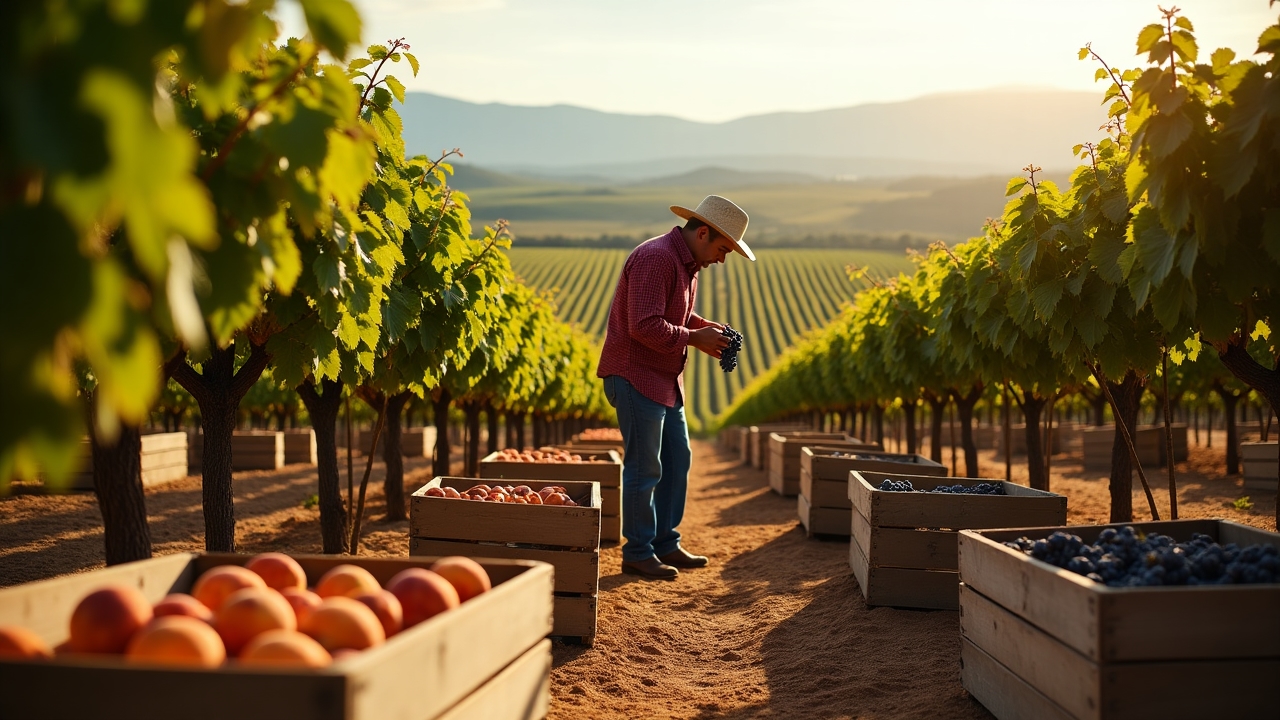
During March and April, families in Cuyo take advantage of the abundance of grapes and peaches to acquire significant volumes at reduced prices. Consequently, they make preserves and jams that are consumed throughout the year, reducing the need to buy more expensive processed products. This practice can represent savings of 25% to 35% in the annual food budget.

Seasonal product shopping

Neighbor Bartering

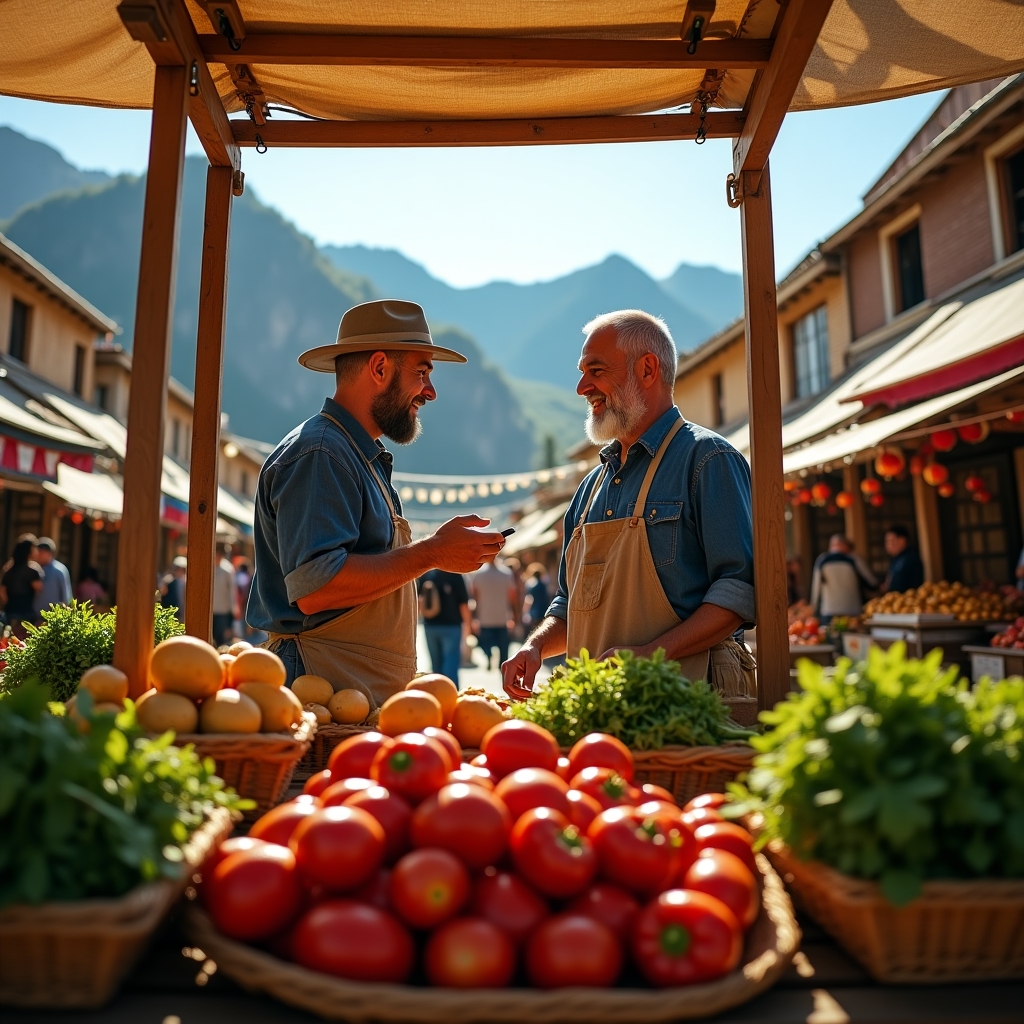
In neighborhoods of Buenos Aires Province, groups of families organize exchange systems where each household contributes what they produce in excess. A family with a garden exchanges vegetables for homemade bread from another, while a third offers artisanal jams. However, this system not only reduces expenses but also strengthens community ties and diversifies food without budget increase.

Community exchange

Foreign Currency Savings

Families in tourist regions of Patagonia allocate a fixed percentage of their monthly income to purchasing US dollars in small but consistent amounts. Meanwhile, they maintain an emergency fund in pesos for immediate expenses. This dual strategy protects the purchasing power of long-term savings while maintaining liquidity for daily needs, balancing security and accessibility.

Currency savings strategy

Discover Your Budget Management Profile

Answer these three questions to get personalized recommendations on how to optimize your family financial management.

How often do you adjust your shopping list?

Do you mainly use local markets or supermarkets?

Do you save in pesos or in foreign currency?

Practical Optimization Guides

Weekly Menu Planning

  • Review offers before planning the menu, not the other way around
  • Design meals that share base ingredients to avoid waste
  • Include at least two meals that use leftovers from previous days
  • Prioritize seasonal products that cost 30% to 50% less
  • Reserve one day for preparations that keep for several days

Effective Price Comparison

  • Calculate price per unit of measure, not per package or container
  • Compare brands across different channels, not just within the same store
  • Record historical prices to identify true offers
  • Evaluate quality along with price, the cheapest doesn't always optimize
  • Consider transportation cost in wholesale purchasing decisions

Leveraging Seasons

  • Identify the three lowest-price months for each food category
  • Learn basic preservation and proper freezing techniques
  • Invest in quality reusable containers for long-term storage
  • Buy quantities you will actually consume in 6-12 months
  • Label products with preparation date and best-before date
Family planning monthly budget

Share Your Experience

If you have savings strategies that worked for your family or questions about budget management, leave us your message. We personally respond to all inquiries.

By submitting this form, you accept our Privacy Policy and the processing of your personal data according to Law 25.326.