The concept of seasonal buying is not new, but its impact on the Argentine family budget has gained greater relevance in contexts of high inflation. Agricultural products experience price variations of 30% to 50% depending on their seasonal availability, creating windows of opportunity for families that plan strategically.
Seasonal cycles by region
In Cuyo, the grape season extends from February to April, a period during which prices fall significantly. Meanwhile, in Mesopotamia, citrus fruits reach their most accessible point between May and July. Consequently, families who know these cycles adjust their consumption and preservation patterns to maximize the use of low prices.
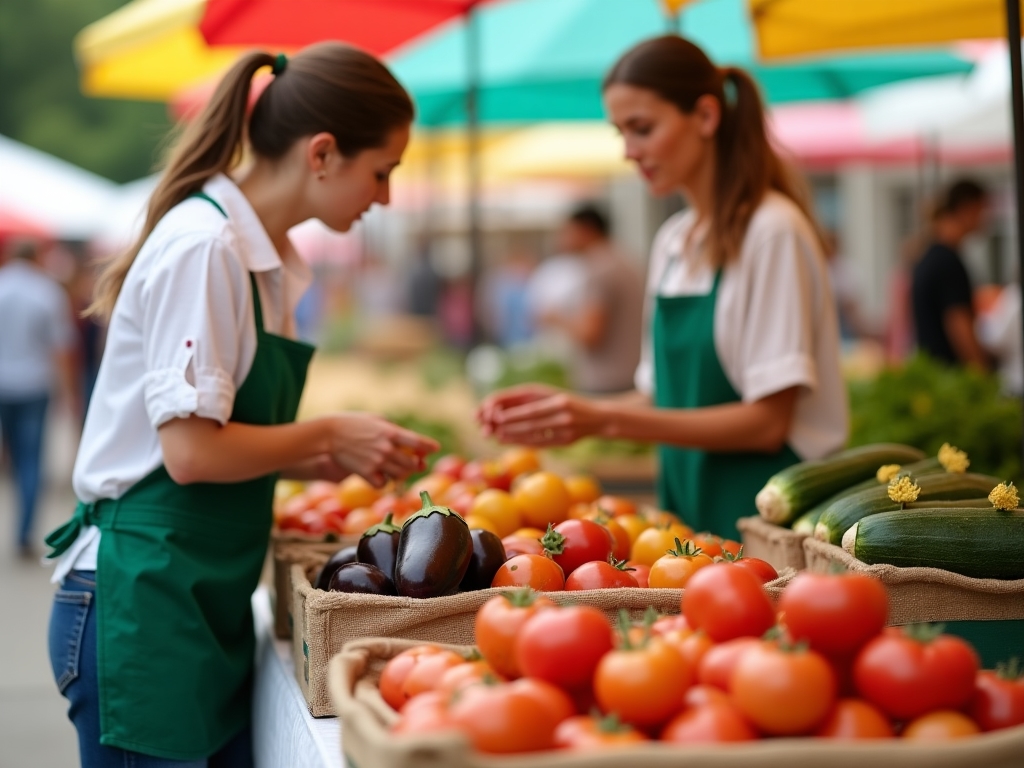
Buenos Aires Province presents the greatest variety of seasonal products given its diversity of microclimates. Families in this region can access leafy vegetables almost year-round, but tomatoes, eggplants, and zucchini show price differences of 40% between summer and winter.
Effective preservation techniques
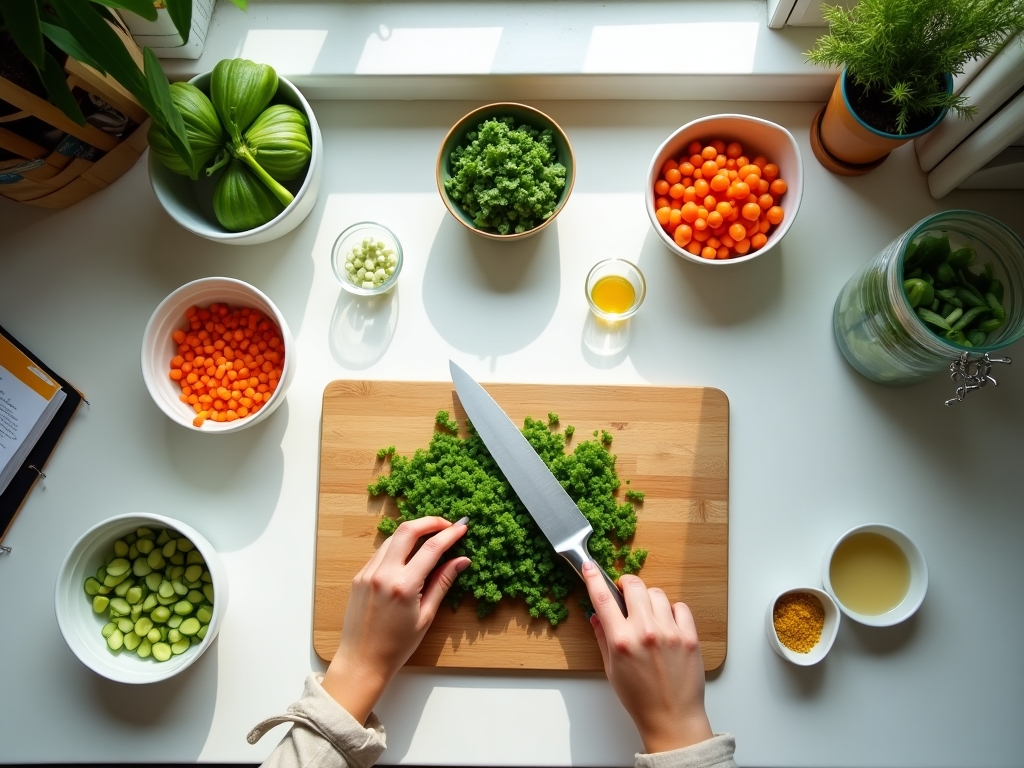
However, buying in season only generates savings if accompanied by adequate preservation methods. Proper freezing of blanched vegetables maintains nutritional properties for 8 to 12 months. Families in Patagonia take advantage of their climatic conditions for natural fruit drying, a technique that requires minimal investment but generates high nutritional value products.
Making homemade preserves and jams during production peaks allows families in rural areas of Cuyo to reduce their dependence on industrially processed products, which tend to have more volatile price margins. This practice requires initial investment in jars and basic equipment, but pays for itself in one season.
Menu planning according to availability
Adapting the family menu to seasonal products implies flexibility and culinary creativity. Instead of planning meals first and then shopping, families that successfully leverage seasonal buying reverse this process. They check what is abundant and affordable, then design their weekly menu around those ingredients.
This approach requires knowledge of equivalent substitutions in recipes. When winter squash is in season and affordable, it can replace pumpkin in most preparations. Similarly, different leafy greens can substitute for each other in most cooked dishes, allowing families to always choose the most economical option available.